
headlines
Carnival Prepares For Lawsuit Concerning Casino Practices


 Carnival Cruise Line, an international tourism company, has faced scrutiny over the years. Still, one of the most notorious cases happened recently when a casino player went missing from the ship.
Shane Dixon went missing earlier this year after gambling in the casino on the P&O Cruises. The cruise set sail from Australia, where gambling laws are strict when it comes to excessive gambling practices. Authorities believe that Dixon jumped overboard after losing a substantial amount of money in the casino. Dixon had accumulated a $9,000 debit at the casino throughout two nights. This incident has raised serious legal questions about the casino’scasino’s practices and the potential liability of the cruise line.
A lawyer representing the Dixon family said that P&O Cruises incentivized patrons to gamble by offering credit, free alcohol, and additional cruise offers. These practices are illegal in Australia but are standard practices in international waters.
Casino Practices and Legal Scrutiny
The Carnival Cruise line has been criticized and faced legal action for certain practices within its onboard casinos, with allegations ranging from lack of transparency to concerns over gaming fairness. These legal challenges have put the company under significant scrutiny and could have far-reaching implications for the future of cruise ship casinos.
Complaints often center on unclear gaming rules and other practices that disadvantage players. These issues raise broader questions about regulatory oversight for casino operations in international waters and the legitimacy of cruise casinos.
Legality Of Offshore Casino Cruises
Due to international maritime laws, casinos operating on cruise ships often fall into a regulatory gray area. However, legal challenges suggest a growing push for stricter oversight to protect consumer interests. This underscores the need for transparency, fair odds, and straightforward terms in the industry.
Offshore casinos operating from trusted gaming jurisdictions are often scrutinized by regulatory agencies that test the games for fairness and ensure player protections are in place. The same could be implemented for casino cruises, but for now, the absence of a regulatory body is a cause for concern.
Are Cruise Ship Casinos Legit?
Cruise ship casinos do not have to be regulated by a trusted regulatory agency; Therefore, they are not considered legitimate. While some onboard casinos do opt to have regulation, others do not since they only operate in international waters.
Gambling incentives are another telltale sign that a casino lacks legitimacy. The practices that led to Shane Dixon’sDixon’s disappearance will have their day in court, and Carnival Cruise will likely try to settle out of court to avoid further legal challenges. This potential for legal action underscores the need for accountability in the industry.
The offshore casinos we review only operate online and are all regulated by a trusted governing body. Many games and substantial slot libraries host popular titles like Buffalo Run, A Night with Cleo, and many more online.

 After years of planning, construction, and anticipation, a new chapter has officially begun in Aurora, Illinois. On Wednesday, the long-awaited Hollywood Casino Aurora welcomed its first guests, replacing the city’s longtime riverboat casino with a sprawling land-based resort designed to attract visitors from across the Midwest.
The new venue represents a major investment in the region, carrying a reported price tag of approximately $360 million. Located near Interstate 88 and across from the Chicago Premium Outlets, the property is far more than a traditional gaming hall. Visitors arriving on opening day were greeted by a full-scale entertainment complex featuring a luxury hotel, a wellness spa, multiple dining concepts, a sportsbook, event space, and an expansive gaming floor.
For longtime residents, the move marks the end of an era. Hollywood Casino Aurora first opened on the Fox River in the early 1990s and became a recognizable part of the city’s downtown landscape. The transition from a riverboat venue to a modern resort reflects broader changes occurring throughout the casino industry, where operators are increasingly focusing on creating complete entertainment experiences rather than relying solely on gaming revenue.
Online Competition Continues to Shape the Industry
While the grand opening has generated excitement, it arrives during a period when consumer gaming habits are evolving rapidly. Many players now split their time between visiting physical casinos and exploring digital alternatives.
In states where online casino gaming remains restricted, some Americans turn to offshore casino sites that accept U.S. players. These sites often advertise extensive game libraries, cryptocurrency payment options, and around-the-clock accessibility. Unlike destination resorts such as Hollywood Casino Aurora, offshore casino sites provide convenience from home but cannot replicate the atmosphere, dining experiences, live entertainment, or social interaction that land-based properties offer.
The comparison highlights a growing divide within the gambling market. Physical resorts compete by delivering experiences that extend beyond gaming, while online operators focus on accessibility and flexibility. For many players, the choice comes down to whether they prefer a weekend escape or instant access from mobile casino apps. Our OffshoreBettingSites.net mobile casino guide details all the advantages of wagering online in comparison to local venues.
Industry analysts suggest that successful casino brands will increasingly need to serve both audiences, blending in-person entertainment with digital engagement strategies as consumer expectations continue to evolve.
A New Landmark for Aurora
Opening day crowds appeared eager to see what the new property had to offer. The facility features more than 1,000 gaming machines, dozens of table games, a retail sportsbook, and a large event center capable of hosting concerts, conferences, weddings, and community gatherings.
For Aurora, the launch represents more than the debut of a casino. It signals the arrival of a new entertainment hub positioned to compete with other regional destinations across Illinois and neighboring states. The combination of gaming, lodging, dining, and wellness amenities gives the property a broader appeal than its riverboat predecessor ever could.
Whether visitors arrive for a night of gaming, a spa weekend, or a special event, the new Hollywood Casino Aurora is poised to become one of the most talked-about entertainment destinations in the Chicago suburbs. As the first guests walk through its doors, city officials and business leaders alike will be watching closely to see how this ambitious investment reshapes Aurora’s tourism landscape in the years ahead.
Sources:

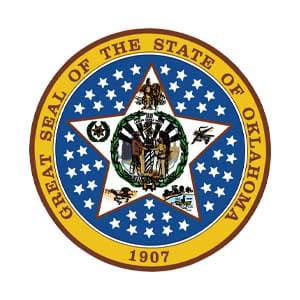 Oklahoma lawmakers are moving decisively toward shutting down sweepstakes-style online casinos, with Senate Bill 1589 gaining strong bipartisan traction in 2026. The bill has already cleared the Senate unanimously and continues advancing through House committees with little resistance, signaling a high likelihood of becoming law before the legislative session ends.
At the heart of the proposal is a crackdown on the dual-currency model used by many sweepstakes platforms. These sites typically offer virtual coins alongside redeemable credits that can be exchanged for prizes or cash equivalents. SB1589 would redefine such systems as representing “something of value,” effectively bringing them under Oklahoma’s gambling laws.
Lawmakers argue the change is necessary to eliminate what they view as a legal gray area. By classifying these domestic platforms as online gambling, the state aims to align enforcement with existing restrictions that currently limit legal gambling primarily to tribal casinos, horse racing, and the lottery.
If enacted, the measure could take effect as early as November 2026, potentially making Oklahoma one of several US gambling states to outlaw sweepstakes casinos this year.
Wider Crackdown Signals Industry Shift
Oklahoma’s effort is part of a broader national trend. States such as Indiana and Maine have already implemented similar restrictions, while others are exploring legislation targeting the same dual-currency systems.
What sets SB1589 apart is its wide-reaching scope. The bill not only targets operators; it also extends liability to affiliates, payment processors, geolocation services, and even media partners that promote sweepstakes platforms. This expansive approach suggests regulators are aiming to dismantle the entire ecosystem supporting these sites rather than focusing solely on end providers.
Industry observers note that this could serve as a blueprint for other states looking to enforce stricter online gambling rules. By closing operational loopholes, Oklahoma may effectively limit sweepstakes brands’ ability to adapt or relocate within U.S. markets.
At the same time, the legislation appears to protect tribal gaming interests, which dominate the state’s legal gambling sector. Tribal operators remain central to Oklahoma’s gaming economy, and the bill reinforces their position by excluding non-tribal online competitors.
Offshore Casinos Gain Attention Among Players
As regulatory pressure mounts, many players are beginning to look beyond domestic options. Sweepstakes casinos have historically filled the gap in states like Oklahoma, where regulators do not authorize real-money online casinos.
However, if SB1589 becomes law, that gap could widen significantly. Offshore sites, such as those at Offshorebettingsites.net, may become more visible alternatives for players seeking online gaming experiences. Unlike sweepstakes platforms, offshore sites typically operate with traditional real-money models, offering direct deposits, withdrawals, and a broader range of games.
The comparison is notable. Sweepstakes casinos rely on promotional frameworks and free-to-play entry methods to remain compliant with U.S. laws, while offshore casinos function under international licensing regimes that allow real-money wagering. This difference means offshore platforms often provide more straightforward gameplay, but they also operate outside U.S. regulatory protections.
For players, the shift presents both opportunity and risk. Offshore casinos can offer convenience and variety, yet they lack the consumer safeguards found in regulated domestic markets. Meanwhile, the potential disappearance of sweepstakes casinos in states like Oklahoma may leave users weighing these trade-offs more carefully than ever.
As SB1589 continues its legislative journey, one thing is clear: the U.S. online gaming landscape is evolving rapidly. Whether through tighter regulations or increased reliance on offshore options, the balance between accessibility and oversight is being rewritten in real time.
Sources:
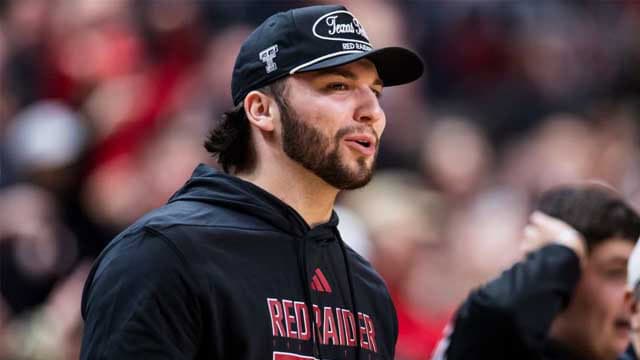
 A developing college football controversy has brought renewed attention to gambling practices among athletes and the broader risks associated with online betting.
Texas Tech quarterback Brendan Sorsby is currently under NCAA investigation after reports surfaced that he placed thousands of wagers through a mobile gambling platform over several years.
The situation escalated when Sorsby stepped away from football to enter a residential treatment program for gambling addiction. While there is no evidence that he attempted to influence game outcomes, NCAA rules strictly prohibit athletes from betting on sports, making the case a serious eligibility issue.
The story also intersects with the modern realities of college athletics. Sorsby, a high-profile transfer with a multi-million-dollar NIL (Name, Image, and Likeness) deal, represents a new era where athletes have both financial opportunities and increased exposure to betting markets.
Online Sports Gambling in the USA
The United States has seen a surge in local and online sports betting since the repeal of PASPA in 2018. Many states now allow regulated sportsbooks, offering consumer protections, identity verification, and responsible gaming tools. However, offshore gambling platforms are also available in most US states.
Unlike domestic U.S. operators, offshore sites operate outside federal and state oversight. These platforms often accept U.S. players and provide odds for both domestic and international sporting events.
Cases like Sorsby’s highlight how easily individuals, especially younger demographics, can access sportsbooks like those in our offshore betting sites sportsbook app guide. Reports indicate he made a “steady flurry of small bets” over time, demonstrating how gambling habits can escalate gradually.
The NCAA has already expressed concern over the broader trend. In recent years, dozens of athletes across multiple schools have been investigated for gambling-related violations, with some facing permanent bans from competition.
For regulators and institutions, the challenge is twofold: enforcing rules within organized sports while addressing the wider ecosystem of online betting that extends beyond U.S. jurisdiction.
Why US Bettors Choose Offshore Sportsbooks
U.S. bettors often turn to offshore sportsbooks as an alternative to domestic options, largely due to the flexibility and features these platforms provide. While legality and safety should always be carefully considered, offshore betting sites appeal to some users because they tend to offer fewer restrictions and broader betting opportunities compared to state-regulated books.
- Wider Betting Markets: Offshore sportsbooks often include international sports, niche leagues, and unconventional prop bets that aren’t always available in U.S.-regulated platforms.
- Fewer Location Restrictions: Bettors can typically access offshore sites from anywhere, without being limited to specific states where sports betting is legal.
- Higher Betting Limits: Many offshore books allow larger wagers, which can be attractive to high-stakes bettors.
- More Bonuses and Promotions: These platforms frequently advertise generous signup bonuses and ongoing promotions, sometimes exceeding what regulated books offer.
- Alternative Payment Options: Offshore sportsbooks often support cryptocurrencies and other payment methods that provide added privacy and faster transactions.
What To Do If You Expect Problem Gambling Among Loved Ones
Problem gambling often develops quietly, making early detection difficult. Behavioral changes may include secrecy around finances, frequent discussions about betting, mood swings tied to wins and losses, or borrowing money without a clear explanation.
If you suspect a loved one is struggling, the first step is approaching the situation with calm and understanding. Confrontation or judgment can lead to denial or withdrawal. Instead, focus on expressing concern and offering support.
Encouraging professional help is critical. Treatment programs, like the one Sorsby entered, can provide structured support, including counseling and behavioral therapy. Many organizations also offer confidential helplines and resources tailored to gambling addiction.


Hollywood Casino Aurora Opens New Era for Illinois Gaming
After years of planning, construction, and anticipation, a new chapter has officially begun in Aurora, Illinois. On Wednesday, the long-awaited...


Oklahoma SB1589 Targets Sweepstakes Casino Loophole
Oklahoma lawmakers are moving decisively toward shutting down sweepstakes-style online casinos, with Senate Bill 1589 gaining strong bipartisan traction in...


College Football Gambling Scandal Raises Concerns Over Risks
A developing college football controversy has brought renewed attention to gambling practices among athletes and the broader risks associated with...


New Aurora Casino Plans Spark a Digital Betting Ripple
Aurora, Illinois, is preparing to trade riverboat nostalgia for a land-based spectacle, and the timing feels anything but accidental. The...


Fairfax Residents Debate Local Casino Ahead Of Proposal
The debate over gambling in Virginia has resurfaced with renewed intensity as state legislators consider a proposal that could pave...
-
 headlines7 years ago
Bitcoin Means Smooth Sailing For Offshore Sports Betting Sites
-
 headlines9 years ago
US Sports Betting Market Looking At Expansion
-
 headlines7 years ago
‘Game of Thrones’ bettors win big at offshore betting sites
-
 headlines7 years ago
How To Know If An Offshore Gambling Site Can Be Trusted
-
 headlines7 years ago
Why Offshore Betting Sites Will Not Be Affected By New USA Gambling Laws
-

 headlines6 years ago
Offshore is Still the Only Political Betting Option for USA Residents
-
 headlines9 years ago
How A Reversal On NJ Sports Betting Case Could Affect Nevada Sportsbook Industry
-

 headlines6 years ago
May Madness: Offshore Betting Giant Bovada Debuts NFL Sim Classic Tournament